
The Waterproofing Mistake That Costs Thousands
Table of Contents
Bathrooms & Waterproofing
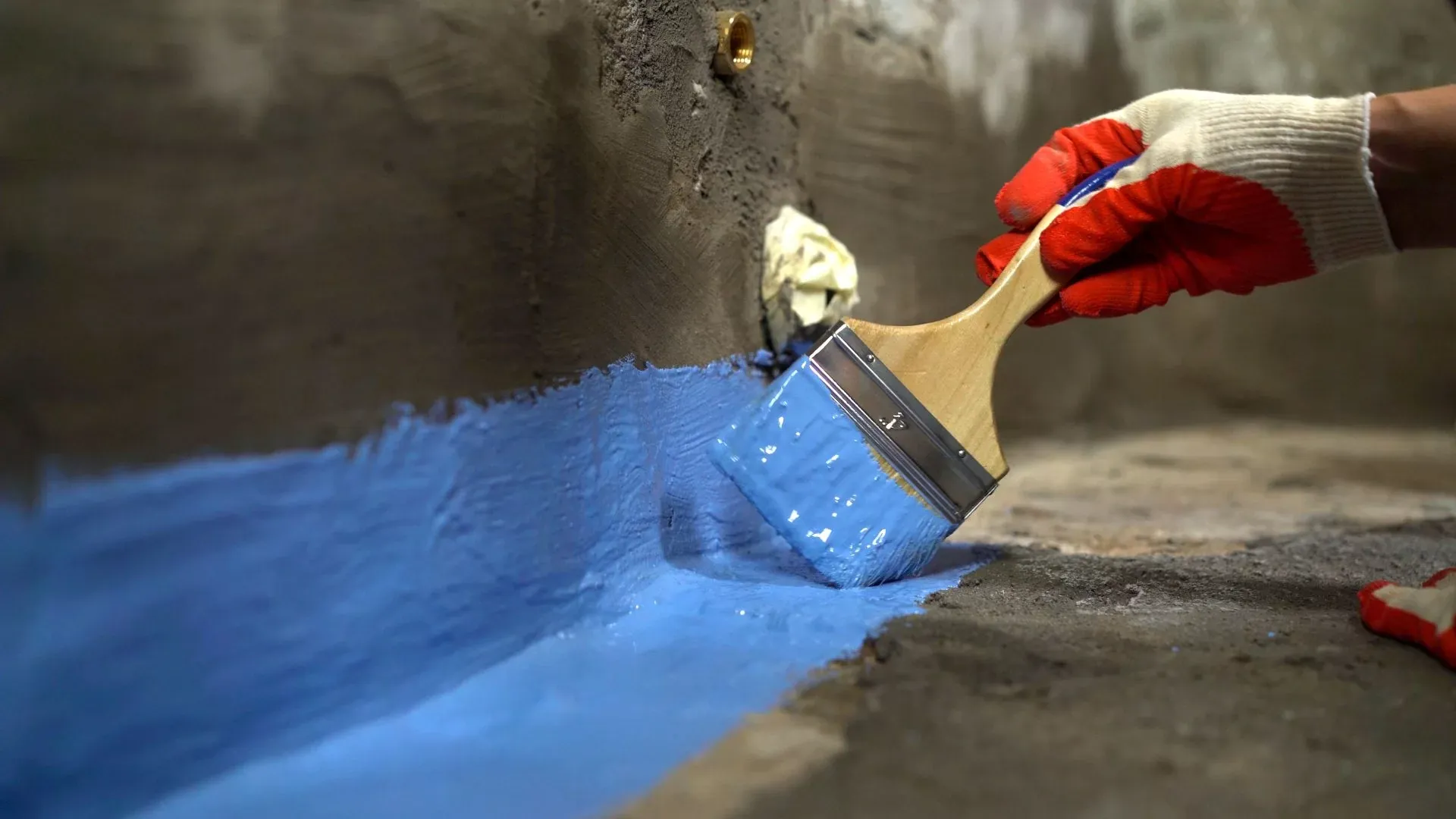
10 Mistakes in Waterproofing That Cost Homeowners Thousands
Every home whether new or renovated faces constant moisture exposure from the ground, the weather, and daily living activities. Effective moisture protection and waterproofing (often called waterproofing) is a coordinated system of membranes, drainage layers, flashing, ventilation, and proper construction methods. When any part of that system is installed incorrectly or skipped entirely water infiltrates structures and causes damage that is often hidden until it becomes extremely expensive.
Moisture is one of the leading causes of structural damage in Canadian homes. From rainfall and groundwater to daily indoor humidity and shower steam, water is constantly trying to enter and move through a building. When a home is not properly protected whether at the foundation, in exterior walls, around windows, on the roof, or inside wet areas like bathrooms moisture finds pathways into hidden areas, causing rot, mould, and costly long term damage.
Effective moisture management and waterproofing practices is not a single product but a coordinated system. It includes membranes, flashing, drainage layers, ventilation, proper material selection, and correct construction sequencing. The following are the 10 most common and expensive moisture management and waterproofing practices mistakes that impact both new construction and renovations.
1. Using the Wrong Materials for Moisture Protection
Moisture protection and waterproofing is not interchangeable. A product engineered for interior tile assemblies cannot withstand exterior rain exposure. A membrane meant for roofing cannot act as a foundation barrier. Using the wrong material dramatically shortens the lifespan of any assembly.
Why Material Choice Matters
Different parts of a building face different waterproofing issue:
- Bathrooms: direct spray, humidity, and heat.
- Foundations: hydrostatic pressure from groundwater.
- Roofs: UV exposure, snow loads, freeze thaw cycles.
- Exterior walls: wind driven rain and condensation.
A shower grade liquid membrane will quickly fail if used below grade. A bitumen foundation coating cannot replace a modern drainage membrane. Roofing underlayment is not designed to perform as a house wrap.
Consequences of Using the Wrong Waterproofing Product
- Adhesive failures between layers.
- Moisture entering backing materials.
- Premature deterioration from UV or temperature.
- Foundation seepage and staining.
- Roof leaks around penetrations or eaves.
Best Practices
Use only waterproofing materials rated for the specific environment, preferably within a complete system:

Industry standards for interior membrane systems:
Tile Council of North America
Canadian building standards
CSA Group
2. Skipping Moisture Barriers Entirely
One of the most damaging construction errors is omitting a moisture barrier altogether. Tile, grout, concrete, sheathing, and framing all absorb water. Without a proper barrier—whether a membrane, drainage mat, underlayment, or WRB—moisture travels directly into the structure. Over time, continuous exposure allows water to move deeper into the building assembly where it becomes trapped behind finishes. This trapped moisture slowly weakens materials, encourages mould growth, and compromises structural integrity. What begins as a nearly invisible issue often grows into a major repair because the damage spreads quietly behind walls, floors, and ceilings long before surface symptoms appear.
Where Missing Barriers Cause Damage
- Showers: moisture moves through grout into cement board.
Even well-installed tile and grout are not waterproof. When a membrane is missing, every shower forces water into the substrate where it accumulates behind walls, causing swelling, mould, and tile failure. - Basements: concrete absorbs groundwater and passes it indoors.
Concrete wicks moisture continuously. Without a vapour barrier or drainage layer, that moisture rises into flooring materials and drywall, creating musty odors, mould, and deteriorating finishes. - Roofs: missing underlayment allows ice dams to penetrate sheathing.
Underlayment is the last defence against moisture. When it’s skipped, wind-driven rain or melting snow infiltrates the roof deck, leading to rot and premature roof replacement. - Exterior walls: absent WRB allows rain to soak insulation.
WRB systems are designed to shed water and allow drying. Without them, water becomes trapped inside the wall cavity, reducing insulation performance and increasing the risk of mould. - Decks: unprotected ledger boards rot behind cladding.
Because ledger connections sit against the home, moisture intrusion occurs silently. Missing flashing or membrane protection causes rot that can compromise the deck’s structural safety.
Hidden Chain Reaction
If waterproofing is skipped, early damage occurs behind the finishes:
- Wood begins to swell, warp, and weaken.
Moisture absorption changes wood’s structural properties, eventually causing it to lose load-bearing capacity. - Mould colonies grow unseen inside walls.
Dark, humid cavities create ideal mould conditions. It spreads before visual signs appear, often requiring expensive remediation. - Insulation loses thermal performance.
Wet insulation compresses and clumps, reducing R-value and increasing heating and cooling costs. - Floors deform or soften.
Moisture wicking upward causes hardwood to cup, vinyl to bubble, and laminate to swell or delaminate. - Finishes bubble, peel, or lift.
Paint, trim, and tile begin failing as moisture pushes outward, creating visible cosmetic damage that signals deeper structural issues.
Guidance on Controlling Moisture in Canadian Homes
Moisture management is essential in Canadian climates, especially in regions with high rainfall, humidity, and freeze–thaw cycles. Homeowners should ensure contractors follow proper moisture-barrier standards, including the use of vapour retarders, waterproof membranes, roof underlayments, WRBs, and drainage layers. Reputable contractors understand the role these systems play in preventing mould, structural decay, and premature material failure. Building-science recommendations from CMHC and the BC Building Code consistently emphasize that proper moisture control is critical to the durability and long-term health of a home.
Canadian Home Builders’ Association
3. Poor Detailing at Seams, Corners & Transitions
Even the best materials fail if seams are not integrated properly. Joints, corners, and penetrations are the most vulnerable points in any roof, wall, shower, or foundation system.
Why These Areas Fail First
- Insufficient overlap of membranes.
- Flashing installed in the wrong sequence.
- Missing pre formed outside/inside corners.
- Penetrations not sealed with gaskets.
- Fasteners driven through critical areas.
High Risk Examples
- Windows: reversed WRB laps send water into the wall.
- Roof valleys: mis shingled courses trap water.
- Siding transitions: incorrect layering allows infiltration.
- Showers: valve penetrations leak if not gasketed.
Building science guidance on proper sequencing:
Building Science Corporation
4. Inadequate Protection in Shower Niches
Shower niches require precision. They experience constant water exposure, contain multiple joints, and include horizontal surfaces where water lingers. A niche must be fully tied into the wall’s moisture protection and waterproofing system.

Common Errors
- No slope on the base.
- Thin or patchy liquid membrane.
- Exposed seams at inside corners.
- Backer board joints too close to niche edges.
- Trim pieces installed without sealing ends.
What Happens When Niches Fail
Moisture travels behind tile into the wall cavity, saturating insulation and studs. Localized mould develops, tiles lose adhesion, and the surrounding framing deteriorates.
Exterior Parallel
Window sills function similarly: without proper flashing, slope, and continuity, water infiltrates.
Guide to integrated shower assemblies:
Schluter Shower Systems
5. Protecting Only Part of a Shower Assembly
Moisture spreads further than the direct spray area. Steam rises to the ceiling, condensation forms above tile lines, and capillary movement pulls moisture sideways into framing.
Effects of Partial Moisture Protection
- Mould above tile lines.
- Bubbling paint outside the shower.
- Moisture bleeding into adjacent rooms.
- Saturation of drywall and insulation.
Proper Coverage Includes
- Full height membrane from floor to ceiling.
- Fully wrapped curbs and pony walls.
- Protected benches, niches, and horizontal surfaces.
- Sealed penetrations for showerheads and valves.
Moisture requirements in Canadian construction:
National Building Code Moisture Guidelines
6. Incorrect Slope and Drainage Design
Moisture protection and waterproofing depends on proper drainage. If surfaces slope incorrectly, water pools against the building or stagnates inside assemblies.
Interior Drainage Issues
When interior surfaces are not sloped properly, water stops flowing toward drains and begins to stagnate. Even small slope errors create moisture traps that lead to structural and hygienic problems over time. Bathrooms, showers, and wet rooms rely heavily on controlled water movement, and any deviation from recommended slope standards can compromise the entire waterproofing system.
- Flat shower pans cause standing water.
A shower pan must have a consistent slope toward the drain to keep water moving. When the base is flat, water remains in low spots and slowly penetrates grout, thin-set, and underlying materials. Over time, this leads to mould, tile loosening, and membrane failure. - Benches and niches without slope accumulate moisture.
Any horizontal surface inside a shower should have a slight forward slope to shed water. Without it, moisture pools on the surface, saturating grout joints and creating ideal conditions for mould growth behind the tile. - Curb tops installed level trap water.
A shower curb needs a subtle inward slope. When installed level, water collects along the curb edge and eventually seeps beneath tile and membrane, causing rot or swelling in adjacent framing.
Exterior Drainage Issues
Exterior surfaces are exposed to significantly more moisture stress due to rainfall, snow, and freeze–thaw cycles. Proper slope is essential to move water away from the home and prevent it from entering vulnerable building components.
- Decks sloping toward the house create rot at siding.
Decks must always pitch away from the structure. When built incorrectly, water flows toward the home, soaking siding, sheathing, and ledger boards. This leads to structural decay and can cause hidden rot dangerous enough to compromise deck safety. - Balconies without drainage outlets lead to ponding.
A balcony must provide a way for water to exit the surface. Without scuppers or drains, water accumulates, increasing load weight and saturating membranes until leaks develop below. - Flat roofs lacking tapered insulation develop leaks.
All flat roofs require tapered insulation or built-in slope to direct water toward drains. Standing water prematurely degrades roofing materials and increases the likelihood of interior water damage.
Damage Caused by Improper Slope
Improper slope allows moisture to persist where it should not, leading to a progressive chain of deterioration within finishes and structural components.
- Persistent mould.
Standing water and damp surfaces create favourable environments for mould spores to establish and spread, especially in hidden locations where ventilation is poor. - Freeze-thaw cracking of tile or concrete.
In cold climates, water trapped in tile or concrete expands when it freezes. Repeated cycles gradually fracture surfaces, loosen tiles, and degrade grout. - Water intrusion into corners and joints.
Corners and seams are the most vulnerable areas in any assembly. Incorrect slope directs water into these weak points, accelerating membrane and sealant failure. - Accelerated membrane deterioration.
Pooling water breaks down waterproofing membranes faster, causing premature aging and increasing the risk of leaks that spread unnoticed.
Tile slope standards and methods:
TCNA Handbook
7. Mixing Incompatible Moisture Protection Systems
Manufacturers design components membranes, adhesives, tapes, flashing to work together. Combining brands or incompatible products introduces unpredictable failures.
Examples of System Mismatches
- Liquid membrane applied over a sheet system not rated for bonding.
- Flashing tapes not adhering to certain WRBs.
- Balcony coatings incompatible with roofing membranes.
- Foundation membranes paired with the wrong primers.
Why Compatibility Matters
Each component expands, contracts, and adheres differently. Incompatibilities cause micro gaps, blistering, poor curing, and ultimately water entry.
Installation standards for full-system assemblies:
Wedi Technical Resources
8. Damage Occurring After Moisture Protection Is Installed
Even perfectly installed membranes fail if they are punctured or damaged during subsequent trades work.
Bathroom-Related Damage
Bathrooms are among the most sensitive areas in a home when it comes to waterproofing. Even when a membrane is correctly installed, the layer is still thin and vulnerable until all finishing stages are complete. Any trade working in the space—tile setters, plumbers, drywall installers, or even cleaning crews—can unintentionally compromise the waterproofing if they do not take proper precautions. Because tile and grout are not waterproof materials, the membrane is the only true barrier protecting framing and subfloor systems. Once that barrier is breached, moisture immediately begins migrating into the structure, often without visible symptoms for months.
- Trowel cuts from tile installers.
- Screws driven through waterproofed curbs.
- Cleanup tools scraping cured membranes.
Roof-Related Damage
Roofs rely on layered systems—underlayment, flashing, shingles, or other roof coverings—to shed water effectively. Once waterproofing is installed, the membrane becomes the foundation of the entire assembly. However, roofs are busy work zones where multiple trades may walk, haul tools, or reposition ladders. Each of these actions introduces opportunities to damage the waterproof layer. Even slight pressure or abrasion can compromise the integrity of underlayment and flashing systems, especially in cold climates where materials become brittle.
- Misplaced ladders dent flashing.
- Nails penetrate underlayment beneath shingles.
- Foot traffic damages vulnerable membrane areas.
Exterior Wall Damage
Exterior walls rely on continuous WRBs (weather-resistant barriers) to protect the structure from wind-driven rain and moisture intrusion. Once the WRB is applied, it becomes vulnerable to any subsequent trade who cuts, nails, or fastens materials onto the wall. Even minor punctures can break the continuity of the barrier, allowing water to migrate behind cladding and into insulation or sheathing. Because exterior assemblies often hide moisture damage until it becomes severe, maintaining WRB integrity is critical to long-term building performance.
- Siding nails penetrate WRBs.
- Deck fasteners breach ledger protection.
- Trades cut into sealed areas without restoring continuity.
Why Small Punctures Become Major Failures
Water does not require a large opening to cause significant damage. It will always follow the path of least resistance, and even pinhole-sized breaches in membranes or WRBs become long-term moisture entry points. Over months and years, this slow intrusion saturates materials behind tile, siding, or roofing—areas that homeowners cannot see. Because the damage develops gradually, indoor symptoms such as staining, odours, or mould often appear only after the structure has been compromised. A tiny puncture made during installation can ultimately lead to thousands of dollars in repairs later.
Water naturally finds weak points. Even a pinhole allows continuous moisture entry behind cladding, tile, or roofing.
Moisture control guidance:
Laticrete Waterproofing Resources
9. Incorrect Moisture Protection Around Windows (Interior & Exterior)
Windows interrupt the drainage plane and create horizontal surfaces where water collects. Proper flashing, sequencing, and integration into WRBs are essential.
Exterior Window Vulnerabilities
- Missing or poorly formed sill pans.
- Inverted WRB laps directing water inward.
- Head flashing installed incorrectly.
- Overreliance on caulking instead of proper flashing design.
Bathroom Window Vulnerabilities
Windows located inside showers are extremely high risk. They must:
- Be fully tied into the interior membrane system.
- Use composite or waterproof trim.
- Have sloped sills.
- Include sealed joints and transitions.
Consequences
- Rotting sheathing and framing.
- Water staining below windows.
- Mould buildup within walls.
- Heat loss from moisture damaged insulation.
Exterior envelope best practices:
BC Housing Building Envelope Guide
10. Hiring Installers Without Moisture Management Expertise
Moisture protection and waterproofing is a specialized skill requiring knowledge of materials, sequencing, building science, and manufacturer specifications. Poor installation not material failure is responsible for most issues.
Red Flags
- No certification from membrane or roofing manufacturers.
- Inability to describe proper WRB sequencing.
- No photos of pre cover inspection stages.
- Skipping flood tests in showers.
- Using generic materials with conflicting specifications.
Long Term Impact
Incorrectly installed systems may perform briefly before failing behind finished surfaces. By the time signs appear staining, odours, warping significant hidden damage has already occurred.
Canadian Construction Materials Centre (CCMC) evaluations
Conclusion: Protecting the Entire Home from Moisture
Moisture protection and waterproofing is not a single product it is a coordinated system that must:
- Drain water efficiently.
- Seal vulnerable areas.
- Allow assemblies to dry.
- Maintain continuity across all planes (vertical, horizontal, interior, exterior).
When properly designed and installed, moisture control prevents:
- Mould and mildew growth
- Framing rot and structural weakening
- Basement seepage
- Roof leaks and attic damage
- Window and siding failures
- Expensive reconstruction and insurance disputes
By understanding these ten critical mistakes and how professionals prevent them homeowners can protect their investment from the ground to the roof for decades to come.