
Realistic Renovation Costs in the Fraser Valley
Table of Contents
Why Renovation Pricing Feels Confusing

Budget Planning Every Homeowner Should Understand
Budget planning is one of the most important foundations of any successful renovation, and understanding how a budget functions early can prevent stress, confusion, and unnecessary cost escalation later in the project.
Why Renovation Pricing Feels Confusing
Renovation pricing often feels confusing because most homeowners only see the final number, not the assumptions behind it. Without understanding how a renovation budget is structured, it is easy to feel uncertain or pressured to choose based on price alone.
Many homeowners receive multiple quotes that differ by tens of thousands of dollars, yet each contractor claims to be pricing the same work. Without clear budget context, it becomes difficult to understand which quote reflects the true scope and which may be missing critical elements that affect long-term performance.
In the Fraser Valley, renovation costs are influenced by labour availability, material quality, permit requirements, design complexity, and the amount of hidden work required to ensure a space is safe, durable, and code compliant. Comparing only the final price without understanding the underlying budget assumptions rarely tells the full story.
Understanding the Budget Range Instead of Chasing the Lowest Price
Renovation projects rarely fail because of a single bad decision. More often, problems arise when homeowners chase the lowest number without understanding what that number actually represents. A renovation budget is not just a price tag; it reflects assumptions about scope, quality, risk, and long-term performance.
When a quote comes in significantly lower than others, it is often because important elements have been excluded or underestimated. This can include preparation work, realistic allowances, proper sequencing, or qualified trades. While the initial number may appear attractive, the true cost often surfaces later through change orders, delays, or compromises.
Why the Lowest Number Rarely Reflects Reality
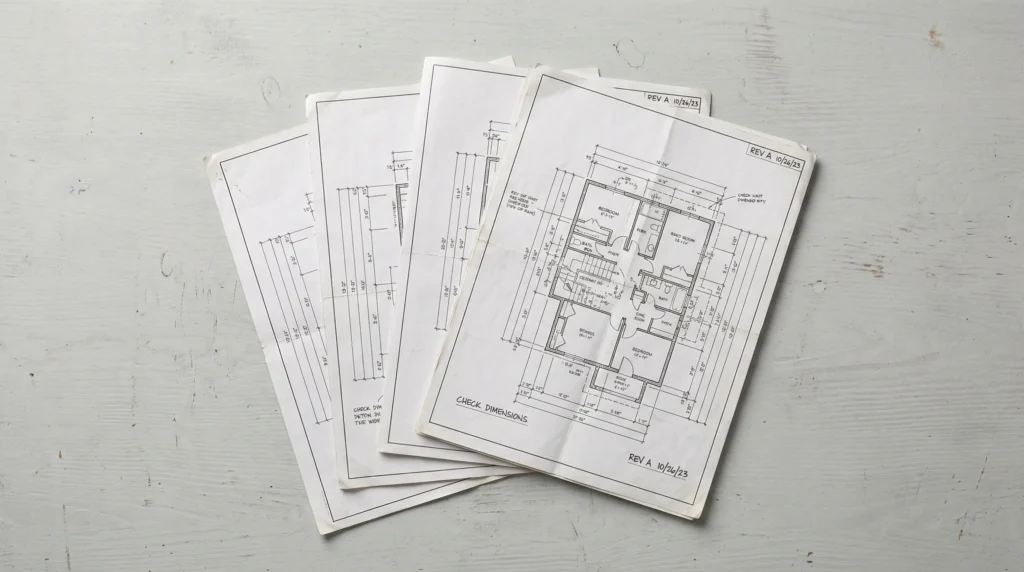
The most common renovation budget mistake homeowners make is assuming the lowest price represents the best value. A renovation budget that looks attractive on paper often hides missing scope, underestimated allowances, or deferred risk that resurfaces once construction is underway.
Low-price warning signs include:
- Missing scope items not clearly defined. When drawings, specifications, or written scopes are vague, critical tasks can be unintentionally excluded. This often leads to surprise change orders once work begins, increasing both cost and tension between homeowners and contractors.
- Allowances that underestimate real costs. Low allowances may make an initial quote appear competitive, but they rarely reflect real-world pricing. As selections are finalized, homeowners are forced to either increase spending or downgrade finishes to stay on track.
- Deferred risk pushed into construction. When unknowns are ignored during planning, the risk does not disappear. Instead, it surfaces mid-project when timelines are tight and decisions must be made quickly, often at a premium.
- Minimal project management and oversight. Limited supervision often leads to scheduling gaps, missed details, and communication breakdowns that increase risk and reduce overall quality.
- Aggressive or unrealistic timelines. Overly compressed schedules frequently result in rushed work, reduced coordination between trades, and higher likelihood of rework or delays later in the project.
Every renovation falls within a realistic budget range based on size, complexity, finishes, and risk exposure. Industry cost guides and resources from the Canada Mortgage and Housing Corporation consistently emphasize planning for scope, quality, and risk rather than chasing the lowest advertised price.
Understanding why the lowest number rarely holds helps homeowners avoid budget shock as the project unfolds.
The Risk of Pricing Without Contingency
Pricing a renovation without contingency assumes that nothing unexpected will occur. In reality, most renovations uncover hidden conditions, especially in older homes, including outdated wiring, plumbing deficiencies, moisture damage, or structural concerns.
Contingency protects against:
- Hidden damage uncovered during demolition. Issues such as rot, mould, or compromised framing are common once finishes are removed. Addressing these problems properly protects the home but requires time and financial flexibility.
- Code upgrades triggered by inspections. Renovations frequently activate requirements to bring existing systems up to current code. Electrical, plumbing, or structural upgrades may be mandatory even if they were not part of the original plan.
- Design changes made mid-project. Late changes often affect multiple trades at once, increasing labour hours, material waste, and coordination complexity.
- Material price fluctuations. Market volatility, supplier delays, or discontinued products can force substitutions that affect both cost and schedule.
- Trade scheduling conflicts. Delays or overlaps between trades can stall progress, extend site time, and increase labour costs. Coordinated scheduling helps keep work moving efficiently and reduces unnecessary downtime.
Including contingency in a renovation budget creates resilience. It allows problems to be addressed methodically rather than reactively, protecting both the timeline and the overall renovation experience.
How a Budget Range Protects Decision-Making
A defined renovation budget range provides flexibility without abandoning financial discipline. Instead of treating the budget as a rigid ceiling, a range acknowledges that projects evolve as real conditions are revealed.
A budget range enables:
- Calm trade-offs when priorities shift. A defined range allows homeowners to reallocate funds thoughtfully when unexpected conditions arise without feeling forced into rushed decisions.
- Value-based choices instead of panic decisions. When financial limits are understood, decisions can be evaluated based on long-term benefit rather than short-term pressure.
- Predictable outcomes despite changing conditions. Flexibility within clear boundaries helps projects absorb surprises while still reaching a defined end goal.
- Clear communication with contractors. Shared expectations around cost ranges and priorities reduce misunderstandings and improve collaboration throughout the build.
- Better long-term planning. Understanding financial parameters early supports realistic timelines, phased upgrades, and future maintenance planning.
When homeowners understand and accept a realistic renovation budget range, they gain predictability and control. This mindset reduces stress and supports better decisions throughout the project.
Setting a Renovation Budget You Can Live With
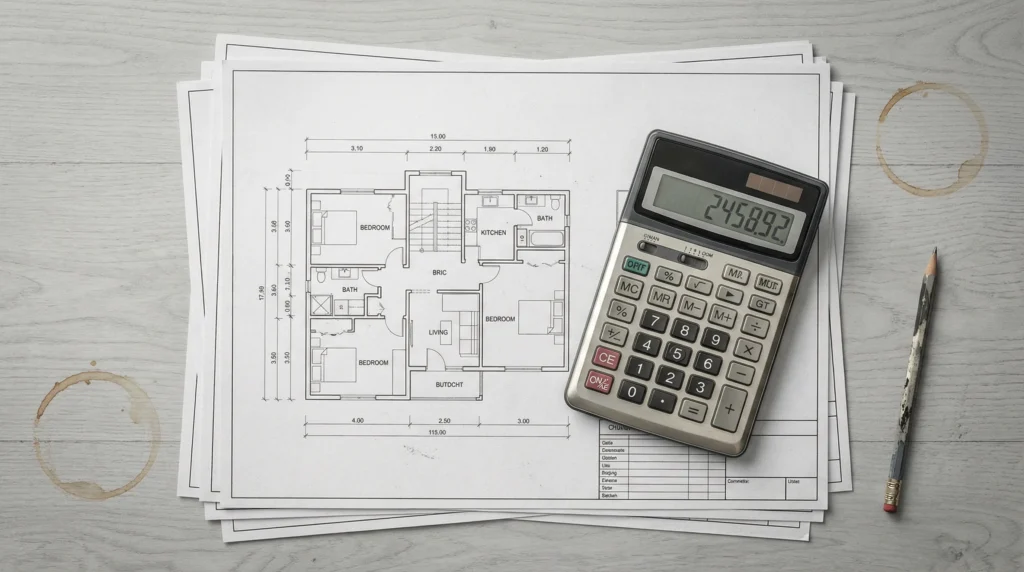
A renovation budget should act as a guide rather than a constraint, helping homeowners balance priorities, expectations, and financial comfort throughout the project.
Building Financial Flexibility Without Losing Control
A renovation plan should support your life, not dominate it. Setting financial expectations that reflect reality allows homeowners to move through the renovation process with confidence rather than constant anxiety.
Flexibility comes from:
- Range planning instead of fixed ceilings. Treating costs as a flexible range rather than a hard cap acknowledges that renovations evolve. This approach allows homeowners to adapt to real conditions without abandoning financial discipline.
- Early alignment of scope and costs. Aligning drawings, selections, and expectations before construction begins reduces misunderstandings and limits late changes that typically increase cost and stress.
- Clear priorities guiding decisions. Knowing which elements matter most provides a reference point when trade-offs are required, helping homeowners avoid regret-driven decisions.
- Allowance for contingency spending. Setting aside contingency funds prepares homeowners for hidden conditions or required upgrades without forcing rushed or emotional decisions.
- Defined decision timelines. Establishing clear deadlines for selections and approvals keeps work moving smoothly and prevents costly delays caused by last-minute choices.
Instead of focusing on a single fixed number, homeowners benefit from establishing a realistic cost range. This approach provides flexibility while maintaining control when decisions or unforeseen issues arise.
Financial flexibility creates stability rather than chaos as a renovation evolves.
Separating Emotional Choices From Budget Reality
Renovations often involve emotional decisions tied to comfort, aesthetics, and personal taste. Without clear cost boundaries, these emotional choices can quietly accumulate into significant cost increases.
Emotional drivers include:
- Aesthetic upgrades driven by taste. Visual preferences often evolve during a renovation, but unplanned upgrades can quietly increase costs if they are not evaluated against priorities.
- Comfort features that add cost. Heated floors, custom storage, or premium fixtures improve daily living but should be weighed carefully against their long-term value.
- Lifestyle wants beyond core needs. Features that enhance convenience or status may be appealing, but understanding their financial impact helps maintain balance.
- Influence from trends or social media. Inspiration from online sources can be valuable, but trends often prioritize appearance over durability or suitability for the home.
- Fear of future regret. Worrying about missed opportunities can push homeowners toward decisions that exceed comfort levels if not grounded in clear priorities.
Separating emotional desire from cost reality does not mean eliminating upgrades. It means understanding their financial impact before committing, so choices are intentional rather than reactive.
When emotions are balanced with clear cost awareness, homeowners can make selections they feel good about both during and after the renovation.
Planning for Adjustments Without Panic
Adjustments are a normal part of most renovations. Design refinements, product availability changes, or newly discovered conditions can all require the plan to evolve.
Adjustments often involve:
- Design refinements after planning. Minor adjustments to layouts or details are common, but even small refinements can affect multiple trades and schedules.
- Availability changes affecting materials. Supply delays or discontinued products may require substitutions that impact both pricing and timelines.
- Site discoveries during construction. Hidden conditions behind walls or floors often require immediate decisions, reinforcing the importance of flexibility.
- Inspection-driven revisions. Inspectors may require modifications to meet code, even when systems were previously functioning.
- Coordination with multiple trades. Adjustments often affect several trades at once, increasing scheduling complexity and communication demands.
When costs are built with flexibility, these adjustments do not feel like failures. Instead, they become manageable decisions made with clarity and context.
Planning for adjustments ahead of time allows homeowners to stay calm, focused, and confident even when the unexpected occurs.
Building Financial Flexibility Without Losing Control
An overall renovation cost should support your life, not dominate it. Setting a cost that reflects reality allows homeowners to move through the renovation process with confidence instead of constant financial anxiety.
Flexibility comes from:
- Range planning
- Early alignment
- Clear priorities
Instead of focusing on a single fixed number, homeowners benefit from establishing a realistic overall renovation cost range. This approach provides flexibility while maintaining financial control when decisions or unforeseen issues arise.
When scope, costs, and expectations are aligned early, the entire process feels calmer, more predictable, and significantly less stressful.
Ways to build a overall renovation cost that reduces stress:
- Use a cost range: A defined overall renovation cost range acknowledges that projects evolve while still setting clear financial boundaries.
- Define priorities early: Separating must-haves from optional upgrades protects the overall renovation cost when trade-offs become necessary.
- Plan for the unexpected: Contingency funds allow hidden conditions or code requirements to be addressed without derailing the overall renovation cost.
- Understand cost triggers: Knowing how design changes, upgrades, or delays affect the overall renovation cost helps prevent surprises.
- Align selections early: Finalizing finishes and fixtures before construction stabilizes the overall renovation cost and prevents rushed decisions.
- Clarify payment schedules: Understanding deposits, progress payments, and milestones removes financial uncertainty and supports healthy cost planning.
- Lock key decisions: Certain choices must be finalized early to avoid delays and rework that inflate the overall renovation cost.
- Allow for smart upgrades: Leaving room in the overall renovation cost for strategic improvements adds long-term value without overwhelming costs.
A plan you can live with creates freedom rather than pressure. When financial expectations are realistic, homeowners are better positioned to enjoy both the renovation process and the finished result.
Managing Scope Changes and Expectations
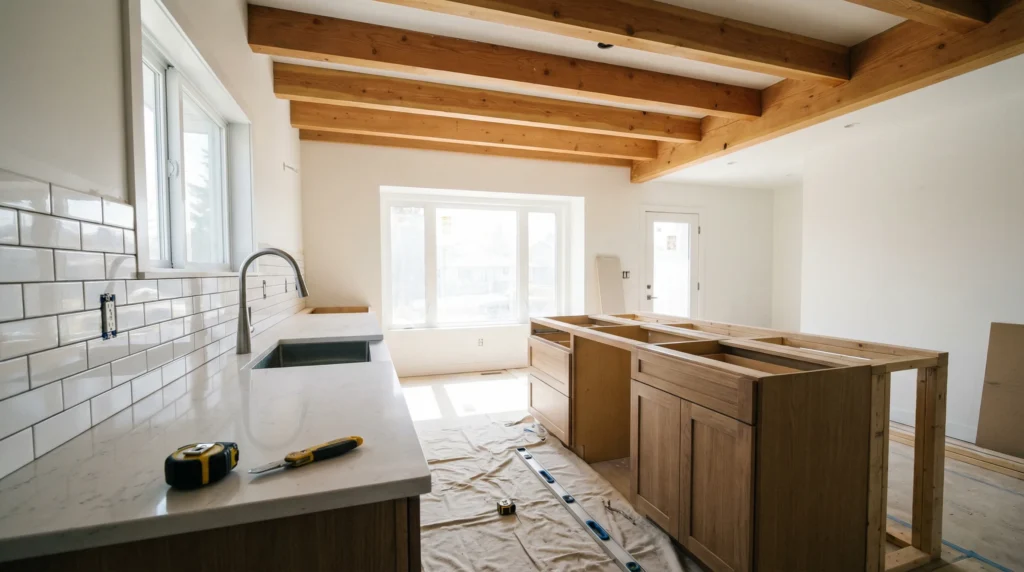
Even the most carefully planned renovation will encounter moments where the original scope needs to evolve. Understanding how scope changes affect the budget helps homeowners respond thoughtfully rather than react emotionally when adjustments are required.
Scope changes often arise from discoveries behind walls, shifting priorities, or improved understanding of how the space will be used. Without a clear framework, these changes can quickly feel overwhelming or financially destabilizing.
How Scope Changes Affect the Budget
When scope expands, costs rarely increase in isolation. Changes often trigger secondary impacts such as additional labour, revised sequencing, updated permits, or extended timelines.
Common scope-related cost impacts include:
- Additional labour and trade coordination. Expanding scope often means adding trades or extending schedules. Each added step increases coordination complexity and site overhead, which directly affects total cost.
- Revised material quantities or specifications. Scope adjustments frequently require recalculating quantities or upgrading specifications, which can affect both pricing and lead times.
- Permit amendments or re-inspections. Changes to approved plans may require additional reviews or inspections, adding time and administrative cost to the project.
- Extended timelines and site overhead. Longer schedules increase costs related to site supervision, temporary protection, equipment rentals, and general conditions.
- Design revisions and rework. Changes made after work has begun often require undoing completed tasks, which increases labour time and material waste.
Understanding these ripple effects helps homeowners evaluate whether a change adds genuine value or introduces unnecessary complexity.
Setting Boundaries Around Scope Decisions
Clear boundaries allow homeowners to make scope changes intentionally rather than impulsively. Establishing decision criteria early provides a filter for evaluating whether a change aligns with priorities and financial comfort.
Healthy scope boundaries include:
- Clear must-haves versus nice-to-haves. Defining non-negotiables early creates a decision framework when trade-offs are required. This clarity prevents emotional decisions from undermining long-term priorities.
- Defined financial thresholds for changes. Setting clear limits for change costs prevents small adjustments from quietly compounding into major financial shifts.
- Pre-approved contingency use. Agreeing in advance on how contingency funds may be applied allows issues to be resolved quickly without repeated approval delays.
- Documented change approval processes. Written procedures ensure all parties understand how changes are priced, approved, and scheduled.
- Transparent pricing for variations. Clear breakdowns of labour, materials, and overhead help homeowners evaluate changes with confidence.
When scope decisions are made within a defined framework, homeowners retain control even as the project evolves.
Well-managed scope changes do not undermine a renovation. When handled with clarity and intention, they can improve outcomes while keeping the overall budget aligned with expectations.
Bringing Budget Clarity to Your Renovation

Turning Budget Awareness Into Renovation Confidence
A clear renovation budget gives homeowners confidence by replacing uncertainty with informed expectations.
A well-defined overall renovation cost does more than control costs. Consumer Protection BC and other housing authorities consistently highlight clear costing as a key factor in successful renovation outcomes. It provides clarity, reduces decision fatigue, and creates a framework that supports better communication between homeowners, designers, and contractors.
Confidence grows through:
- Clear expectations from the start. When scope, quality, and cost parameters are aligned early, decisions throughout the renovation feel grounded rather than reactive.
- Informed decisions based on facts. Accurate information about pricing, scope, and risk allows homeowners to choose confidently instead of reacting emotionally.
- Aligned outcomes across the project. When expectations are shared, the finished result is more predictable and disputes are minimized.
- Transparent communication. Open discussion around pricing, changes, and timelines builds trust and keeps everyone working toward the same goals.
- Documented scope and pricing. Written clarity ensures that agreements remain consistent from planning through completion.
Understanding how overall renovation costs are built, why pricing varies, and what a realistic range looks like allows homeowners to approach their project with confidence instead of uncertainty.
A thoughtful overall renovation cost is not about finding the cheapest option. It is about aligning scope, quality, timing, and expectations in a way that protects both the home and the homeowner.
By approaching your renovation with a clear, well-structured cost, you set the foundation for a smoother project, stronger outcomes, and a finished space you can enjoy without lingering financial regret.