
7 Shocking Contractor Red Flags Every Homeowner Must Know
Table of Contents
Table of Contents
Contractor Selection
7 Shocking Contractor Red Flags Every Homeowner Must Know
Hiring the right builder can make or break your renovation.
A great builder brings clarity, structure, and confidence to the process. The wrong one can create delays, cost overruns, safety risks, and months of unnecessary stress.
For homeowners across Abbotsford and the Fraser Valley, navigating that decision is one of the most important steps in any renovation or home improvement project.
This guide outlines the 7 key red flags homeowners should recognize early.
By understanding these warning signs, you can avoid costly mistakes and confidently choose a qualified, transparent, and trustworthy builder.
Why This Matters for Homeowners in Abbotsford and the Fraser Valley
For homeowners who want authoritative renovation guidance, several reputable resources provide additional support. These organizations offer clear standards and verification tools that help you confirm whether a builder is qualified to take on your project:
- BC Building Code (official provincial standards)
- Consumer Protection BC( Hiring a Contractor)
- WorkSafeBC (Hiring Contractors Safely) These external resources help verify that your builder meets provincial requirements and understands regional standards.
Renovations in our region bring unique challenges such as older homes, moisture issues, and specific code requirements.
Because of this, the builder you choose directly impacts safety, long-term durability, and how smoothly the work progresses.
Homeowners who research contractors carefully—checking references, reviewing quotes properly, and understanding the red flags—experience fewer surprises, fewer cost overruns, and a far more positive outcome.
This article breaks down exactly what you should watch for, how to assess a builder quickly, and how to protect yourself before construction begins.
Red Flag #1: A Contractor Who Has No Clear Process
One of the most shocking signs of a bad builder is a lack of structure. A builder should be able to explain their process from first consultation to final walkthrough. When a builder cannot describe how they plan jobs, manage trades, handle changes, or communicate with homeowners, you are almost guaranteed to experience confusion later.
What a Reliable Contractor Should Provide
A qualified builder will always have:
Each of these elements helps ensure your renovation is handled properly from the very first meeting.
When a builder can outline their planning and estimating sequence, it shows they understand how to transition a project from concept to execution smoothly. A clear timeline helps you anticipate disruptions and avoid surprises.
A defined system for change orders prevents disagreements, especially when unexpected issues arise. A communication plan ensures regular updates rather than leaving you guessing. And a clear explanation of homeowner responsibilities prevents delays caused by unprepared spaces or missing selections.
When all these pieces are in place, your renovation runs smoother and with far fewer uncertainties.
- A predictable sequence for planning and estimating
- A clear timeline outlining major phases of work
- A defined system for change orders
- A communication plan
- A clear explanation of homeowner responsibilities
Together, these points highlight the importance of structure, clarity, and proactive planning—key indicators of a builder who will lead your renovation with contractorism from start to finish.
If a builder says, “Don’t worry, we’ll figure it out as we go,” that is a major red flag.
How This Affects Homeowners
Without a process, you may face:
These problems add stress, increase costs, and often cause delays that could have been avoided with a structured process.
- Delays that drag out for weeks or months
- Trades showing up at random or not at all
- A messy, unclear timeline
- Budget surprises
- Frustration when responsibilities are unclear
These challenges emphasize how essential a clear, organized process is to preventing unnecessary stress and keeping your renovation on track.
Red Flag #2: A Contractor Who Avoids Written Agreements
A legitimate builder will always provide a written contract that clearly outlines the expectations, responsibilities, and terms of the project that outlines scope, cost, payment structure, timelines, and responsibilities.
If a builder says: “We don’t need paperwork” or “Let’s just shake on it,” walk away.
Why Written Agreements Matter
A proper contract protects you from:
Without documentation, hidden costs, scope changes, unfinished work, and liability concerns become far more likely—making written agreements essential.
What Should Be Included
A solid contract includes:
These contract details create clarity, accountability, and protection for both you and the builder.
- Detailed scope of work
- Material allowances
- Line-item pricing
- Staged payments
- Start and approximate end dates
- Warranty information
- Procedures for changes or disputes
Collectively, these contract elements establish a foundation of transparency and accountability that protects both you and your builder throughout the entire project.
Red Flag #3: A Contractor Who Gives a Vague or Unrealistically Low Quote
This is a common tactic used by inexperienced or dishonest contractors who rely on vague or incomplete estimates to secure work without proper planning. They provide a quote that looks attractive but lacks detail, leaving room for surprise charges later.
Signs of a Vague Quote
Watch for:
These missing elements usually signal an inexperienced builder or one who hopes to add costs later.
No material allowances often lead to unexpected bills once selections are made. Without a labour breakdown, you cannot understand how many hours or trades are involved.
Lump-sum totals hide crucial detail and make comparison impossible. Missing specifics suggest the builder hasn’t fully understood your project.
And a price drastically lower than others almost always signals shortcuts or inexperience.
A vague quote is almost always a trap.
- No material allowances
- No labour breakdown
- Lump-sum totals
- Missing details
- A price drastically lower than other contractors
Together, these warning signs reveal how vague quotes create financial risk and uncertainty, making clarity and detail essential when comparing contractors.
The Danger of Choosing the Lowest Bid
Cheap quotes often:
Low bids often rely on shortcuts, cheap materials, or missing steps.
These decisions lead to higher costs later, either through repairs or additional unexpected expenses.
A realistic quote reflects true quality and experience.
- Leave out necessary steps
- Rely on low-quality materials
- Create unexpected costs later
- Lead to substandard workmanship
These realities show why the lowest bid often costs the most in the long term, highlighting the value of choosing a builder who is realistic rather than simply inexpensive.
A qualified builder provides clarity, accuracy, and transparency.
Red Flag #4: A Contractor Without Proper Insurance or Licensing

Many homeowners assume every builder is licensed and insured—this is not always true.
What Your Contractor Must Have
In British Columbia, this includes:
Each requirement protects homeowners from legal, financial, and safety risks.
Liability insurance covers accidental damage. WCB coverage protects you if a worker is injured. A business license ensures the builder is legally permitted to work in your area. Certified subtrades ensure electrical, plumbing, and gas systems meet current safety standards.
Without these protections, homeowners may face lawsuits, denied claims, or expensive repairs.
- Commercial general liability insurance
- WCB coverage
- A valid business license
- Certified subtrades for electrical, plumbing, and gas
All of these requirements work together to protect homeowners from legal, financial, and safety risks—making proper licensing and insurance a non-negotiable priority.
How to Verify
Additional verification tools:
- WorkSafeBC Clearance Check (confirm active WCB coverage)
- BC Registry Services (verify a builder’s legal business status)
- Technical Safety BC (verify electrical & gas builder licensing)
Ask for:
A reputable builder will not hesitate to provide documentation. Proof of insurance should come from the insurer directly or be verifiable through policy details. A WCB number can be checked online to confirm active status. A business license confirms legitimacy within your municipality. Trade certifications ensure the electricians, plumbers, or gas fitters on your project are qualified and knowledgeable. If a builder delays or becomes uncomfortable when asked for these documents, it usually means they are not properly covered or licensed—an immediate deal-breaker.
- Proof of insurance
- WCB number
- Business license
- Trade certifications
Each verification step builds confidence that your builder is operating safely, legally, and with the appropriate qualifications for your project.
A trustworthy builder will provide this immediately.
Red Flag #5: A Contractor Who Communicates Poorly
Communication is one of the strongest predictors of renovation success, influencing how smooth, organized, and stress-free your experience will be. Even skilled contractors cause problems when they fail to communicate clearly and consistently.
Signs of Communication Issues
Watch for contractors who:
These behaviors often indicate deeper issues in project management.
Slow communication suggests the builder is disorganized or stretched too thin. Avoiding direct answers may signal uncertainty or an attempt to hide inexperience.
Changing plans without notice shows a lack of respect. Forgetting commitments reflects poor coordination. Repeated misunderstandings reveal a builder who is not listening or documenting details.
Communication issues almost always escalate during construction.
- Take days to respond
- Avoid direct answers
- Change plans without telling you
- Forget commitments
- Misunderstand details repeatedly
Together, these communication failures expose deeper organizational problems that can quickly derail your renovation if not addressed early.
How Professional Contractors Communicate
They will:
Professional communication sets the tone for the entire renovation.
Regular updates keep you informed and prevent surprises. Documented decisions ensure accuracy. Reliable communication channels keep details organized.
Clear expectations reduce misunderstandings, and immediate notifications demonstrate respect and transparency.
These habits separate excellent builders from unreliable ones.
- Provide regular updates
- Document decisions in writing
- Use reliable communication channels
- Set expectations clearly
- Notify you immediately about changes
When combined, these communication practices create a smooth, predictable renovation experience where expectations and next steps are always clear.
Red Flag #6: A Contractor Who Uses Unqualified or Unknown Subtrades
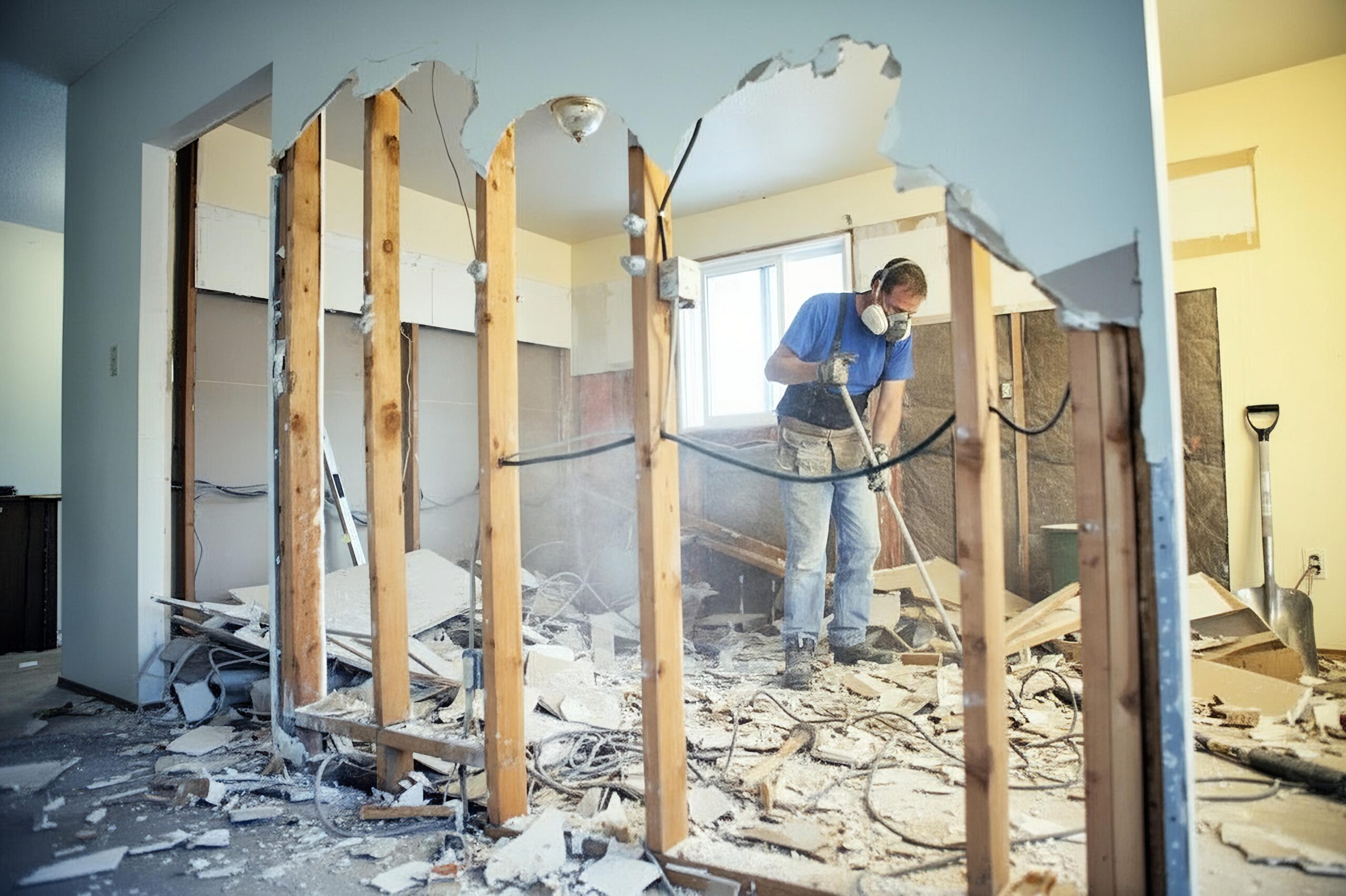
A good builder relies on licensed, trained, and vetted subtrades who follow provincial codes and recognized industry standards.
Why This Matters
Unqualified workers can cause:
Poor subtrade work can create significant risk.
Failed inspections delay projects. Safety hazards put families at risk. Water damage or faulty wiring can cost thousands to repair.
These risks demonstrate why certified, experienced subtrades are essential for any renovation.
Questions to Ask
- Who are your subtrades?
- Are they licensed?
- How long have you worked with them?
- Are they covered under WCB?
Red Flag #7: A Contractor Who Pressures You or Demands Large Upfront Payments
If a builder pushes you to sign quickly or asks for a large deposit before work begins, it should immediately raise concerns about their reliability and financial stability.
Why Pressure Tactics Are Dangerous
These contractors often:
Pressure tactics often signal financial instability or hidden issues.
A reputable builder encourages informed decisions—not rushed ones.
If someone pushes you to sign quickly, it is a clear sign to step back and reassess.
- Want money before work begins
- Hide missing information
- Have cashflow issues
- Rush homeowners to avoid questions
Together, these tactics reveal a builder who prioritizes quick payment over transparency—an unmistakable sign to proceed with caution or walk away.
What a Legitimate Payment Schedule Looks Like
Most reputable contractors use:
This system ensures fairness and accountability.
Milestones create structure and allow you to pay only for completed work. A final payment upon substantial completion protects you from unfinished tasks.
This approach helps maintain trust throughout the project.
Key Considerations Before Renovating
Every home, family, and project is different. Before choosing a builder, consider how your family uses the space and what your long-term plans are.
Understanding these needs helps ensure the renovation supports your lifestyle and future goals.
Consider Your Routines
- How your family moves through the home
- Storage needs
- Cooking habits
- Natural light and traffic flow
Consider Your Timeline
- How long you plan to stay in the home
- Whether renovations are personal or resale-driven
- Seasonal construction demands
Consider Your Investment Level
A builder should help you balance:
- Budget
- Function
- Longevity
- Aesthetic goals
- Structural needs
These considerations help homeowners make renovation decisions that support both present needs and long‑term plans.
How to Choose the Right Contractor in the Fraser Valley
A reliable builder will:
- Provide detailed quotes
- Offer written contracts
- Communicate clearly
- Carry proper insurance
- Use qualified subtrades
- Respect your budget and timelines
- Protect your home during construction
Questions to Ask Before Hiring
For further research, homeowners can explore:
- Homebuilders Association Vancouver** (HAVAN) Contractor Directory**
- Renomark** – Code of Ethics for Professional Contractors**
These organizations list contractors who follow recognized builder and ethical standards.
- Who manages the project day-to-day?
- What is your process for handling unexpected issues?
- Do you offer a warranty?
- Can I see similar completed projects?
- What is your communication process?
Final Thoughts
Before choosing a builder, it is wise to verify their qualifications.
The BC Building Code helps ensure work meets provincial requirements. Consumer Protection BC provides guidance on contracts and homeowner rights. WorkSafeBC lets you confirm insurance coverage.
Technical Safety BC verifies electrical and gas licensing.
These resources help homeowners avoid unqualified or risky builders.
A builder plays a major role in the success and longevity of your renovation. Recognizing these red flags early protects your investment and leads to a smoother, more reliable experience.
(official provincial standards)
- Consumer Protection BC** – Hiring a Contractor**
- WorkSafeBC** – Hiring Contractors Safely**:
These resources help verify that your builder meets provincial requirements and understands regional standards.
Renovations in our region bring unique challenges such as older homes, moisture issues, and specific code requirements. Because of this, the builder you choose directly impacts safety, durability, and how smoothly the work progresses.
Homeowners who research contractors carefully—checking references, reviewing quotes properly, and understanding the red flags—experience fewer surprises, fewer cost overruns, and a far more positive outcome.
this article breaks down exactly what you should watch for, how to assess a builder quickly, and how to protect yourself before construction begins.